Daybeds offer versatile seating and sleeping options, functioning as compact solutions for small spaces or guest rooms. This category highlights design considerations, comfort materials, and structural features that influence longevity, support, and ease of use. Understanding frame construction, upholstery choices, and mattress compatibility helps assess suitability for daily lounging or occasional overnight stays. Keywords include bedding, pillows, sheets, and down pillows to reflect related textiles and comfort accessories.
Key features of daybeds typically involve a sturdy frame, often built to withstand daily use, with a supportive slat system or platform foundation. The materials—wood, metal, or upholstered bases—affect durability and aesthetics. Comfort is influenced by cushion density, backrest support, and the ability to convert seating into a sleeping surface without compromising alignment and rest quality.
Functional considerations for daybeds include the ease of converting from a sofa-like seat to a bed. Some models incorporate a trundle or a slipcover-friendly design for simple maintenance. Assessing thickness of the mattress, edge support, and ease of fabric cleaning contributes to long-term usability in living rooms, bedrooms, or multipurpose spaces.
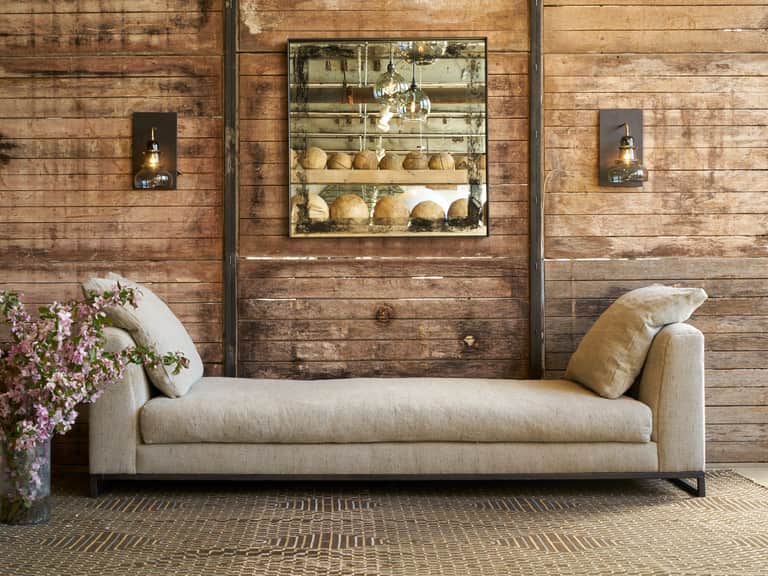
Within this category, the Cisco Home Richard Daybed exemplifies the blend of form and function, offering a durable frame with a refined silhouette suitable for various interiors. Its design supports both casual lounging and overnight use, while ergonomic considerations ensure comfortable spine alignment and restful sleep when extended.
To optimize comfort and aesthetics, consider compatible bedding ensembles such as sheets, pillows, and down pillows that complement the daybed’s surface and fabric. Understanding material choices, temperature regulation, and care instructions for textiles helps maintain appearance and function, aligning with broader furniture and interior comfort goals.
 Furniture