Exploring Sleep-Focused Design: How Bedroom Ergonomics Influence Quality Rest
A Vogue-inspired guide blending sleep science, bedroom ergonomics, and brand insights to craft sleep-ready interiors. Featuring a spotlight on three brands and tactile product references to ground the discussion.
In the hush between dusk and dawn, the bedroom is more than a sanctuary of surface beauty; it is a living system shaping the cadence of our days. To design for better rest is to choreograph a room’s layout, light, temperature, texture, and even the materials that meet our skin each night. As Greenwich Beds invites a thoughtful, time-honored association with calm, precise sleep, this guide fuses sleep science with real-world brand insights to illuminate how ergonomic decisions translate into tangible rest.
Key Concepts in Sleep-Forward Bedroom Ergonomics
- Bed Height and Accessibility: The bed height affects spinal alignment when transitioning from sit to stand. For adults, a bed between 16–26 cm (6–10 inches) off the floor can facilitate easier ingress and egress, while accommodating common mattress thickness. The right platform bed frame can become a foundation for healthier posture across sleep cycles.
- Lighting and Circadian Cues: Layered lighting—ambient, task, and accent—helps cue the body toward winding down. Dimmable warm light in the 2700–3000K range supports melatonin production, while blackout curtains or shades reduce nocturnal exposure to ambient urban light, promoting deeper sleep.
- Temperature and Airflow: A cool, stable sleep climate—typically around 60–67°F (15–19°C)—reads as a non-negotiable for most adults. Proper ventilation, breathable textiles, and moisture-wicking bedding contribute to a balanced microclimate that calms the nervous system.
- Textiles and Texture: Material choices—cotton sateen, linen blends, or breathable silk—shape heat dissipation and comfort. Weaving and fiber content influence feel, drape, and moisture management, influencing skin health and overall comfort during the night.
- Ergonomic Bedding Essentials: Pillows and sheets should support alignment of the head, neck, and spine, while sheet fit, thread count, and weave all contribute to a stable, comfortable surface. A thoughtfully curated bedding set becomes the stage for restorative sleep.
Brand Perspectives: Three Takes on Ergonomic Bedding and Furniture
To bring theory to practice, we examine three brands with distinct approaches to materials, construction, and sleep ergonomics. Each brand offers tangible touchpoints—how fabrics breathe, how beds cradle the body, and how linens hold their shape after countless nights.
Brand A: Chelsea Ensemble by DownTown Company
Bedding as a layered sculpture
Chelsea Sheet Sets and Chelsea Duvet present a contemporary elegance, crafted in Portugal from 400-thread-count cotton sateen with precise trim details. The design ethos emphasizes a stable, tailored surface—reducing sheet movement at night and providing a reliable foundation for layered sleep accessories.
Key takeaway: The trio of sheets, duvet, and shams forms a cohesive surface that supports consistent sleep posture while delivering a polished aesthetic.
Brand B: Vermont Furniture Designs — Modern American Platform Bed
Timeless platform bed with eco-friendly finish
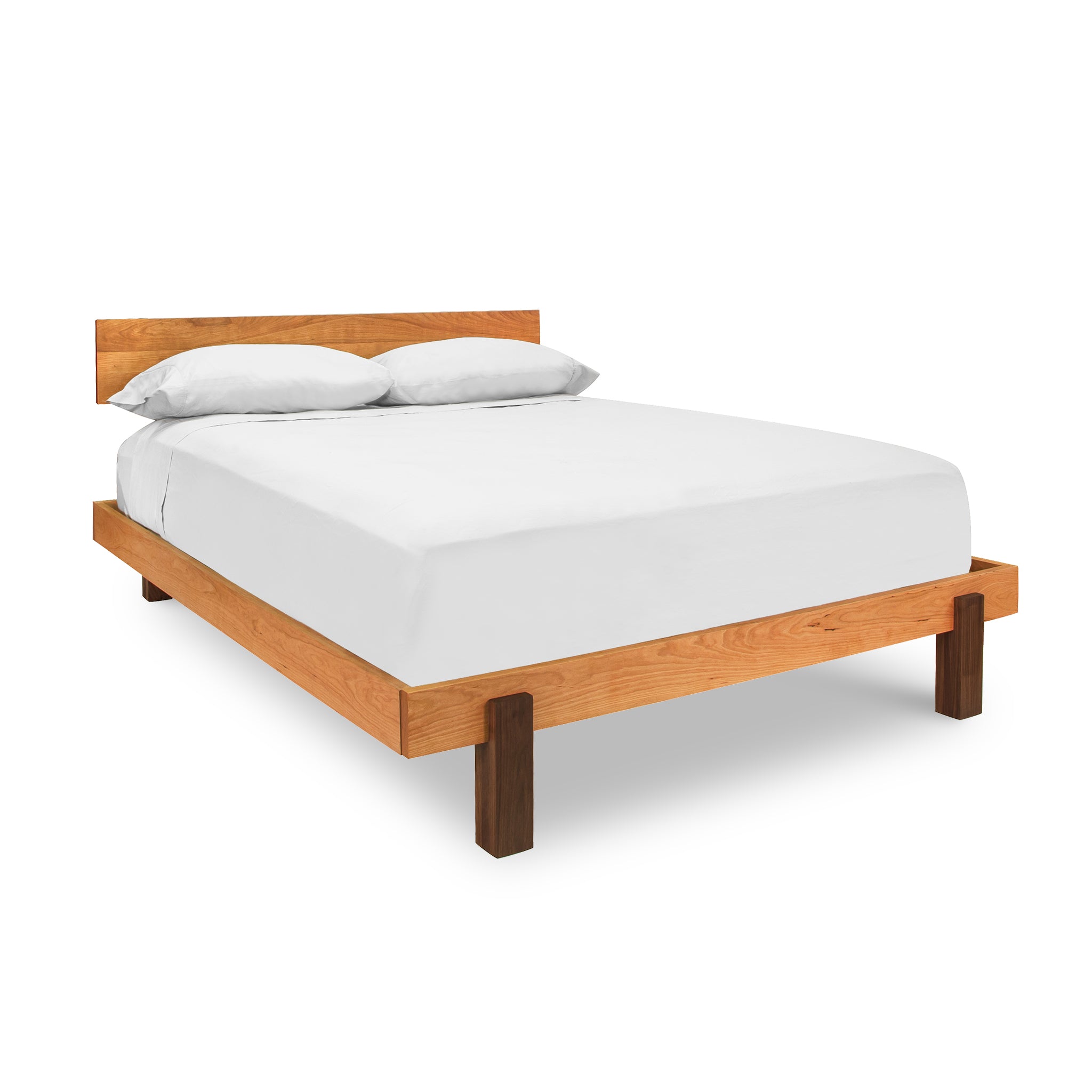
A solid hardwood platform bed in natural cherry, maple, or walnut with natural walnut legs. Its clean lines and Art Deco flair create a music of restraint and refinement—an anchor for a sleep environment that rewards ergonomic alignment while offering enduring visual calm.
Key takeaway: The bed frame sets a sturdy, ergonomic stage; material choices influence both posture support and the room’s thermal and tactile experience.
Brand C: Esplanade by Vermont–Essex High Footboard Bed
High-quality timber with a clean silhouette
Essex High Footboard Bed offers a crisp, panel-bed profile finished in a no-VOC linseed oil and wax treatment—an example of sustainable ergonomics, where the frame and finish support a calm, low-toxin sleeping environment with longevity.
Key takeaway: The bed’s profile and finish influence ease of maintenance and perceived comfort, both of which can affect long-term sleep quality.
Practical Tips: Turning Theory into a Sleep-Forward Bedroom
- Plan the Layout: Position the bed as the room’s focal point while ensuring at least 24 inches of clearance on either side for easy movement. A well-considered layout reduces nighttime friction and supports smooth transitions between sleep postures.
- Choose a Bed Frame with Ergonomic Silhouette: A platform bed with a modest clearance and stable construction can promote better spinal alignment when sitting up and getting in or out of bed.
- Layer with Breathable Textiles: Select sheets and pillowcovers with breathable fibers, such as long-staple cotton or cotton sateen. The weave should feel cool to the touch yet cushiony, so sleep posture remains comfortable across the night.
- Tailor Lighting: Implement dimmable lighting that transitions from bright ambient light for daytime to softer evening tones. Consider blackout fabrics or window treatments to minimize nocturnal light intrusion.
- Regulate Temperature: Use breathable bedding to support temperature regulation. If your climate fluctuates, layer with a lighter duvet or throw that can be removed or added to fine-tune the microclimate.
- Integrate Sleep-Science Resources: Encourage readers to consult reputable sleep guidance and studies when making design choices. The goal is to equip households with knowledge that translates into practical, non-prescriptive routines.
Three Time-Period Voices: A Mini-Panel of Experts
Across centuries, thinkers and designers have shaped how we sleep and how we live with our spaces. Here are three notable voices—each from a distinct era—whose ideas resonate with a sleep-focused design ethos.
Leonardo da Vinci (1452–1519)
Renaissance polymath whose curiosity spans art and engineering
Da Vinci’s relentless pursuit of proportion and harmony offers a template for interior balance. In sleep-focused design, proportionate bed dimensions and evenly balanced surfaces echo his aesthetic rigor, encouraging restraint and a sense of measured calm in the bedroom.
Marie Skłodowska Curie (1867–1934)
Pioneer of scientific discipline and relentless inquiry
Curie’s methodical approach to research mirrors a data-informed mindset in bedding and ergonomics. In modern sleep design, it translates to sourcing materials with measurable properties (breathability, durability, and eco-friendliness) and grounding recommendations in credible evidence.
Zaha Hadid (1950–2016)
Architect known for sculptural clarity and fluid geometry
Hadid’s fashioning of space encourages dynamic but calm silhouettes. In a sleep-forward bedroom, this translates to furniture with clean lines that allow a peaceful visual flow, creating a room that feels both intentional and effortless.
Product Spotlight: Modern American Platform Bed
Among the ergonomic foundations discussed, the Modern American Platform Bed emerges as a paragon of durable, timeless design. Crafted from solid hardwoods and finished with an eco-friendly oil, this bed anchors a sleep sanctuary with a silhouette that respects space and posture. The natural finishes—maple, walnut, or natural cherry—bring warmth, while the platform design offers a grounded support for a mattress that partners with proper sleep posture.
In a Vogue-informed setting, the bed becomes a sculptural focal point: the architecture of the frame harmonizes with bedding textures that drape softly, while its minimalism leaves room for textiles to tell the room’s story. The bed’s finish and structural integrity translate into a sleep environment that is both luxurious and practically resilient—an ideal marriage of form and function.
Aesthetic and Identity: Greenwich Beds as a Sleep-Guide Brand
Greenwich Beds, in the option we’ve embraced, channels a non-commercial, informational identity. The editorial voice leans into sleep science and bedroom ergonomics with a global, travel-forward sensibility—think time-honored Greenwich GMT associations subtly informing a routine of rest. The brand persona combines calm confidence with expert voices, featuring conversations with sleep researchers and interior designers to illuminate how to cultivate a bedroom that is both beautiful and conducive to restorative sleep.
The platform prioritizes editorial integrity: content built on credible sleep science, practical how-tos, and diverse expert perspectives. The site architecture highlights categories such as Bedding, Pillows, Sheets, and Organic Mattresses, echoing the structured taxonomy present in the provided structure. The result is a knowledge hub that feels elevated, reliable, and disciplined—an invitation to explore sleep as a vital aspect of well-being.
Conclusion: Designing for Rest, Branding for Calm
TheSleep-focused Bedroom Ergonomics guide reveals that sleep quality is not merely a function of a mattress’s density or a pillow’s plume—but a holistic interplay of layout, lighting, climate, and textiles. By weaving brand insights into practical guidelines, Greenwich Beds demonstrates how design choices translate into daily rest, while offering a credible, editorial voice for readers who seek elegance without compromise.
If you’d like, this article can be expanded into a complete site map with pages focusing on in-depth sleep science, case studies of bedroom optimizations, interviews with sleep experts, and roundups of reputable studies. It can also host a rotating feature on a curated set of bedding products (with commentary on how their materials and construction support ergonomic sleep) to maintain a balance between information and elegant, brand-conscious presentation.